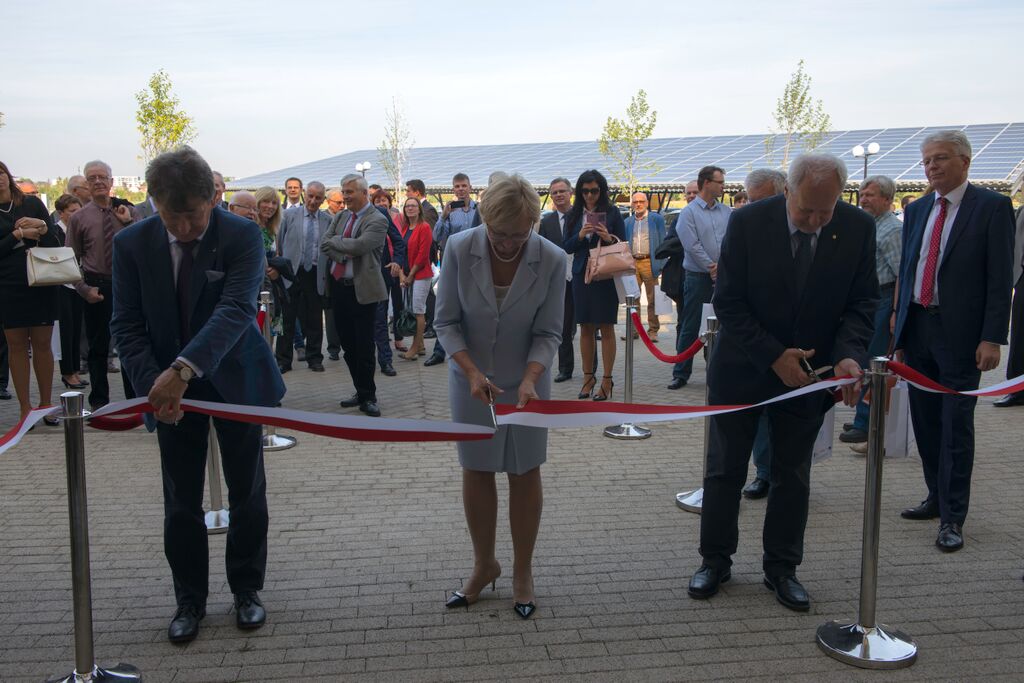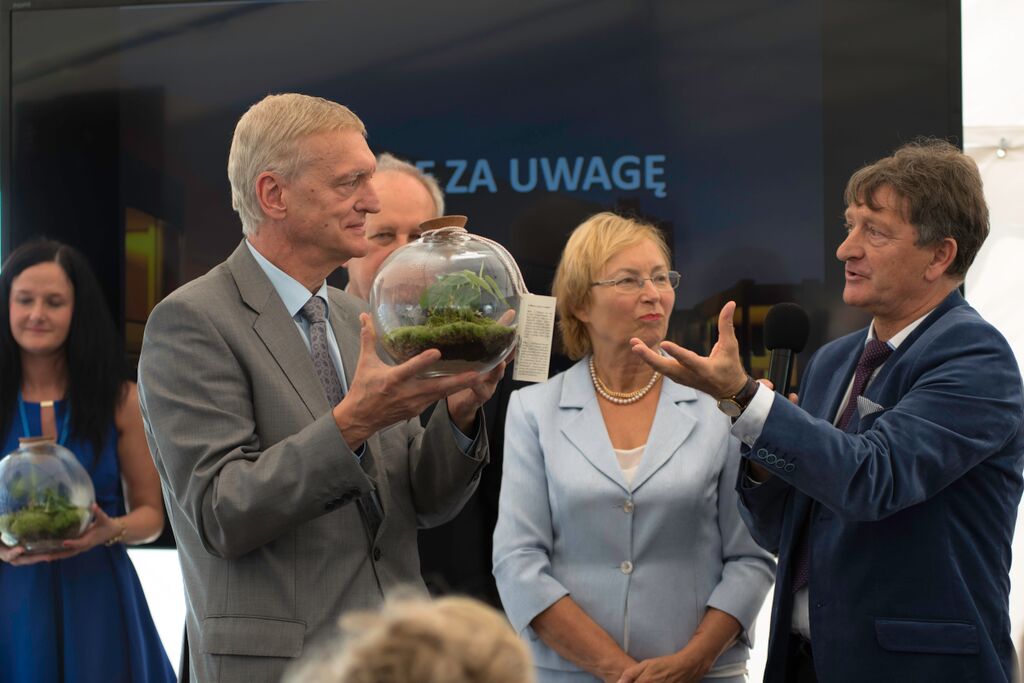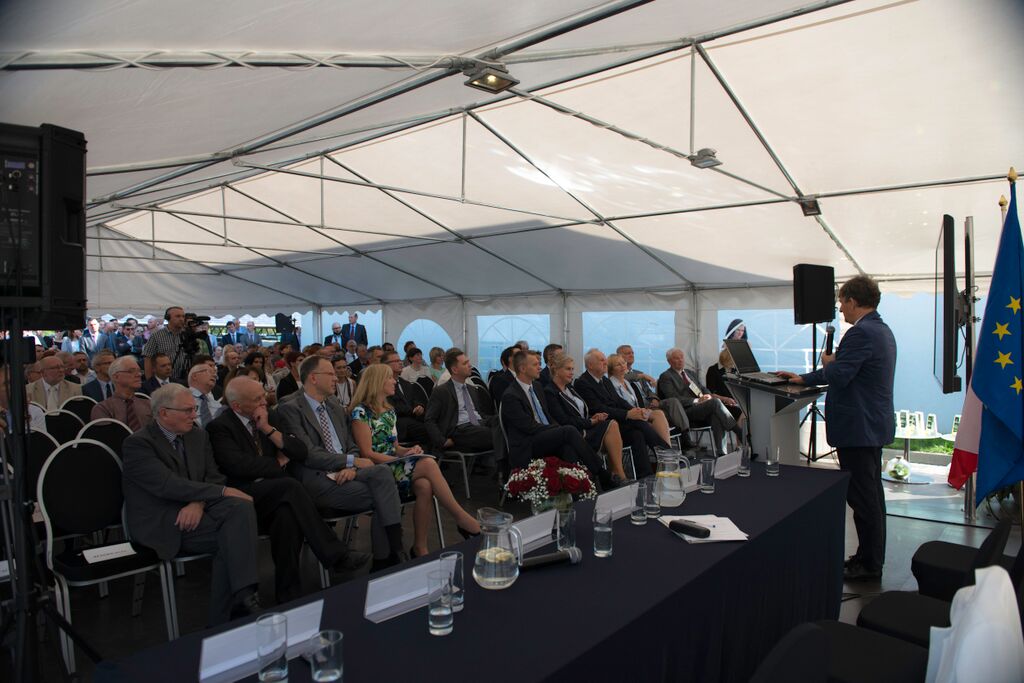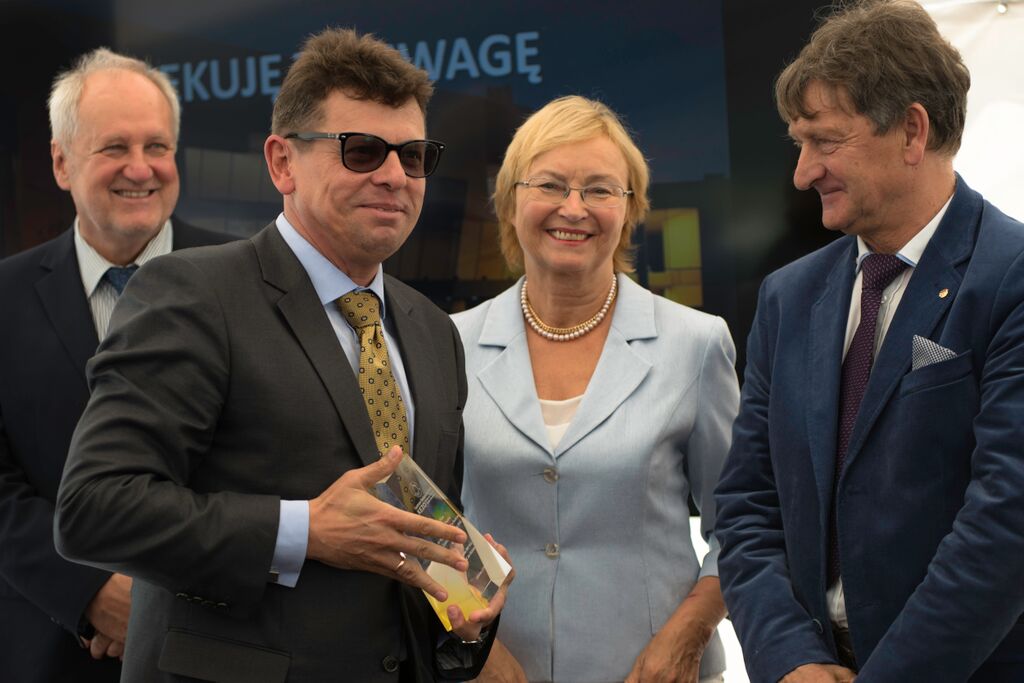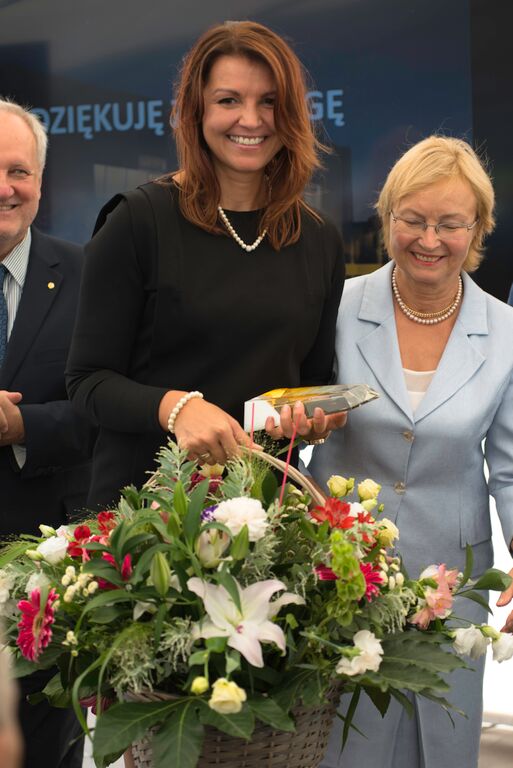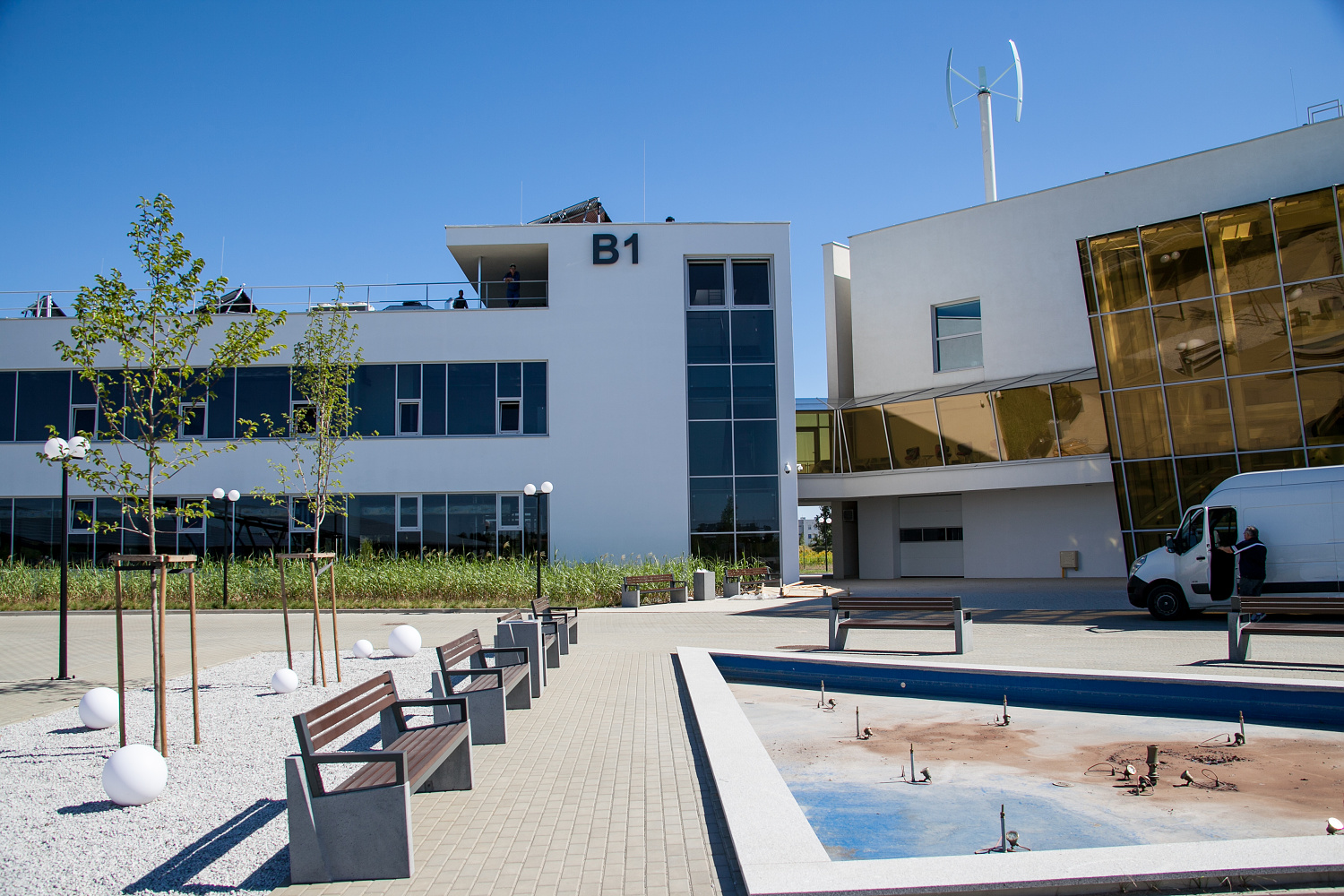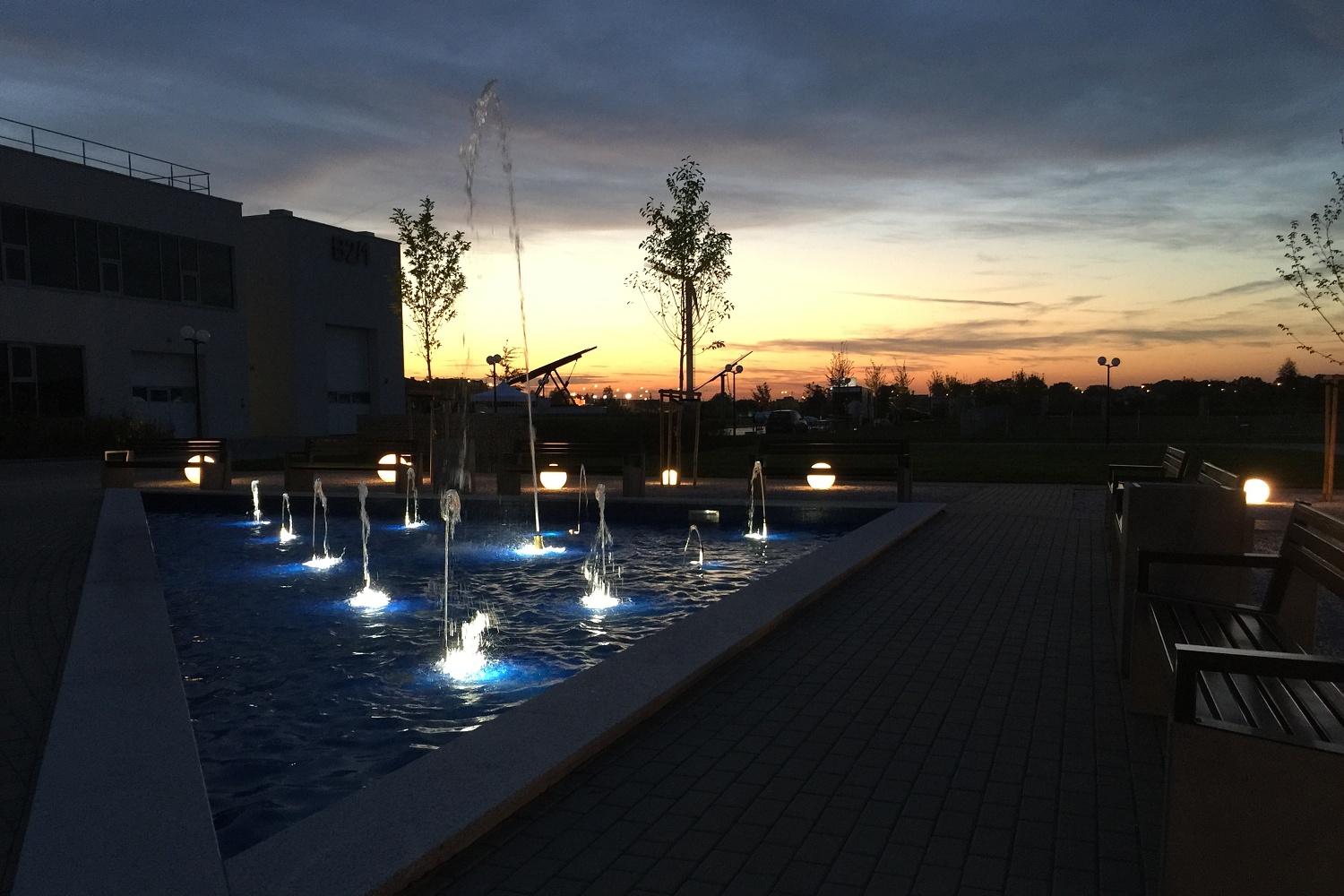
The day of September 17, 2015 was a very important event for the Robert Szewalski Institute of Flow Machines Polish Academy of Sciences. The Research Centre of the Polish Academy of Sciences - Conversion of Energy and Renewable Sources, located in Jabłonno in the Legionów Powiat, was formally opened.
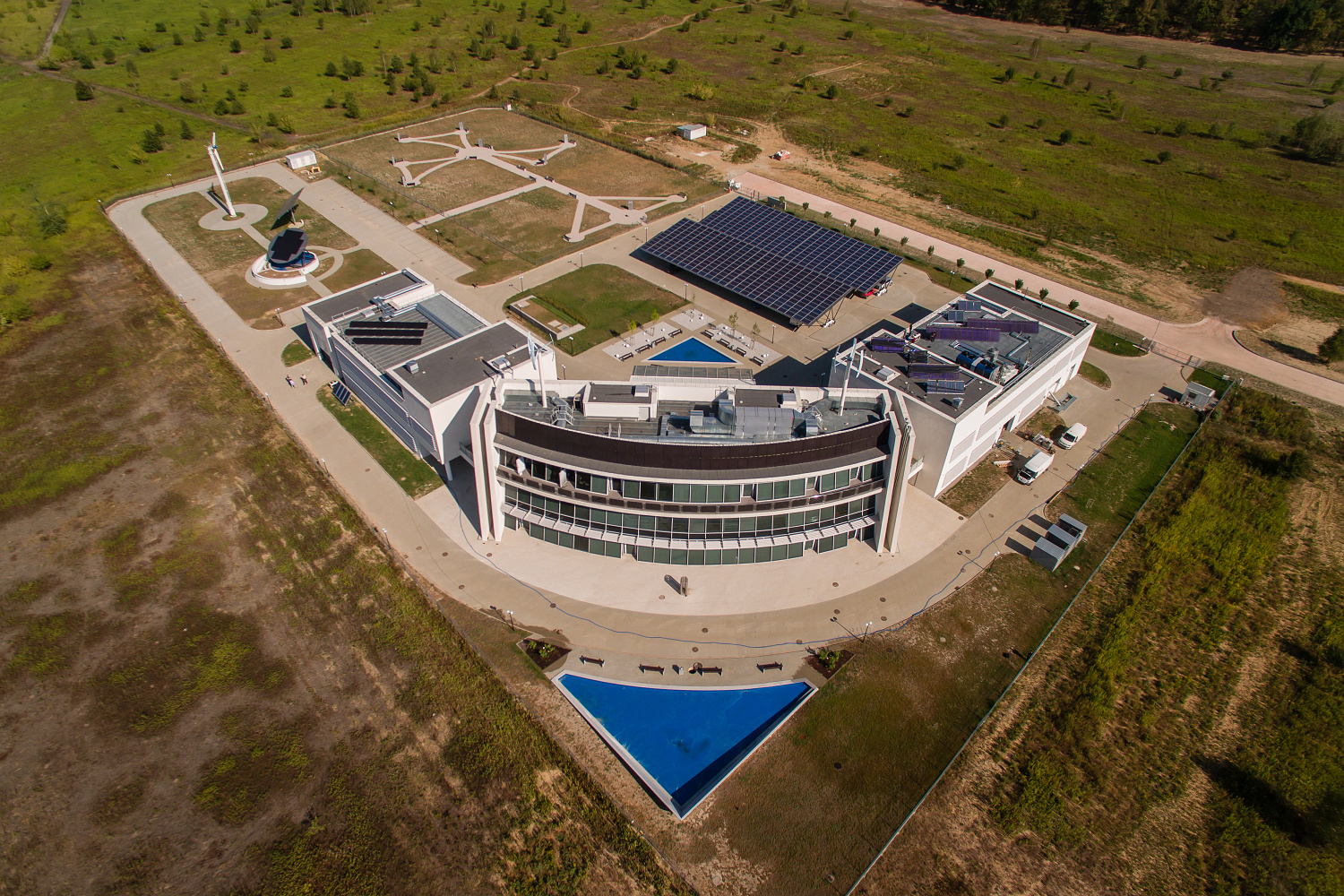
This centre is the out-of-town facility of the Institute of Flow Machines and is fully subject to the institute's administration. It is also the most beautiful and modern part of the Institute, because there are the most modern laboratories in Poland and Europe.
The main scientific tasks, which at the same time form the basis for the Research Institute of Flow Machines, focus on the conversion of energy from renewable sources. In the last few years, scientific policy has changed in IMP PAS. Work has begun to build a new scientific specialization on small-scale distributed energy based on renewable sources.
The Centre's laboratory complex is a scientific and technological base of Mazovia, the northern region and for the whole of Poland in fields of research closely linked to the country's energy security. Its primary task will be to carry out research on renewable energy sources and its conversion.
The research infrastructure of the KEZO Research Centre shall consist of five thematically coherent research laboratories:
- L1. Solar Technology Laboratory
- L2. Laboratory of CHP Micropower Plant
- L3. Wind Energy Laboratory,
- L4. Laboratory of Energy Security Engineering,
- L5. Integrated Laboratory plus Energy.
The Institute of Flow Machines of the Polish Academy of Sciences, which owns the Research Centre in Jabłonno, plans close scientific and research cooperation with Polish Academy of Sciences, universities, research and development units, scientific networks and representatives of industry connected with the energy sector.
OPERATING LOCATION
“In the future, we may be less dependent on coal, living in more energy-efficient homes. Houses will be less and less dependent on external energy sources," said Prof. Jerzy Duszyński, president of the Polish Academy of Sciences. He pointed out that research on many aspects of modern energy sources will be carried out in the research centre in Jabłonno. As he mentioned, work will be carried out not only on renewable energy technologies, storage technologies and ways of transferring it, but also on energy management techniques through IT techniques.
The Minister of Science and Higher Education Prof. Lena Kolarska-Bobińska said at the opening ceremony that she was pleased that the centre was opened, which will serve the common ideas in the West, and in us only spreading, i.e. renewable energy sources or proper use of energy.
"I am counting very much not only on your discoveries, inventions, work, but also on the popularization of your thoughts in society. The aim is to penetrate the diversification of energy sources" - said the Minister. She expressed hope that "the centre would break the thought that Poland stands only with coal".
ZEZO PAN is to be both a research centre and an institution oriented towards applications. His business card is to be so-called technologies plus energy, i.e. such solutions (e.g. for homes, settlements, hospitals or schools) that allow to produce more energy than the objects are able to use. The construction and equipment cost about PLN 90 million.
"It is an investment that meets the expectations of economics, business and science unions. And we know how important these unions are in raising funds and convincing the public that science is really important," said Jerzy Duszyński.
KEZO includes one of the three high-class AAA simulators in Europe, which will enable research on the operation of solar photovoltaic panels on solar farms. There is also an aerodynamic tunnel – two independent chambers designed to measure wind turbines. Moreover, as the director of the Institute of Flow Machines of the Polish Academy of Sciences Prof. Jan Kiciński mentioned, the centre is equipped with a solar simulator, a 3D printer that can print even elements of titanium, drone or modern thermal imaging cameras.
"We have unique equipment here. This is, for example, a simulator of the Sun, a combination of thermal cameras, thanks to which from the drone we can observe the energy efficiency of e.g. buildings or entire settlements, we finally have unique systems to balance fast spinning elements so that we can make microturbines. These are elements that were not present in Poland" - said Prof. Kiciński.
It is the largest and most modern centre of this type in Poland and one of three in Europe. The Centre was created thanks to the cooperation of the Mazovia Marshal Office, the authorities of the Polish Academy of Sciences and the Institute of Flow Machinery PAS in Gdańsk.
Source: PAP - Science in Poland
Project co-financed by the European Union under the Operational Programme of Mazowieckie Voivodship 2007-2013.